

For many charter schools, Chromebooks are the backbone of modern learning. They’re affordable, cloud-first, and integrate seamlessly with Google Workspace for Education. But when Chromebooks aren’t properly managed, they can quickly become more of a burden than a benefit.
That’s why smart schools are adopting lifecycle management strategies — covering devices from procurement to repair — to protect classroom time and keep learning uninterrupted.
Why Device Downtime = Learning Downtime
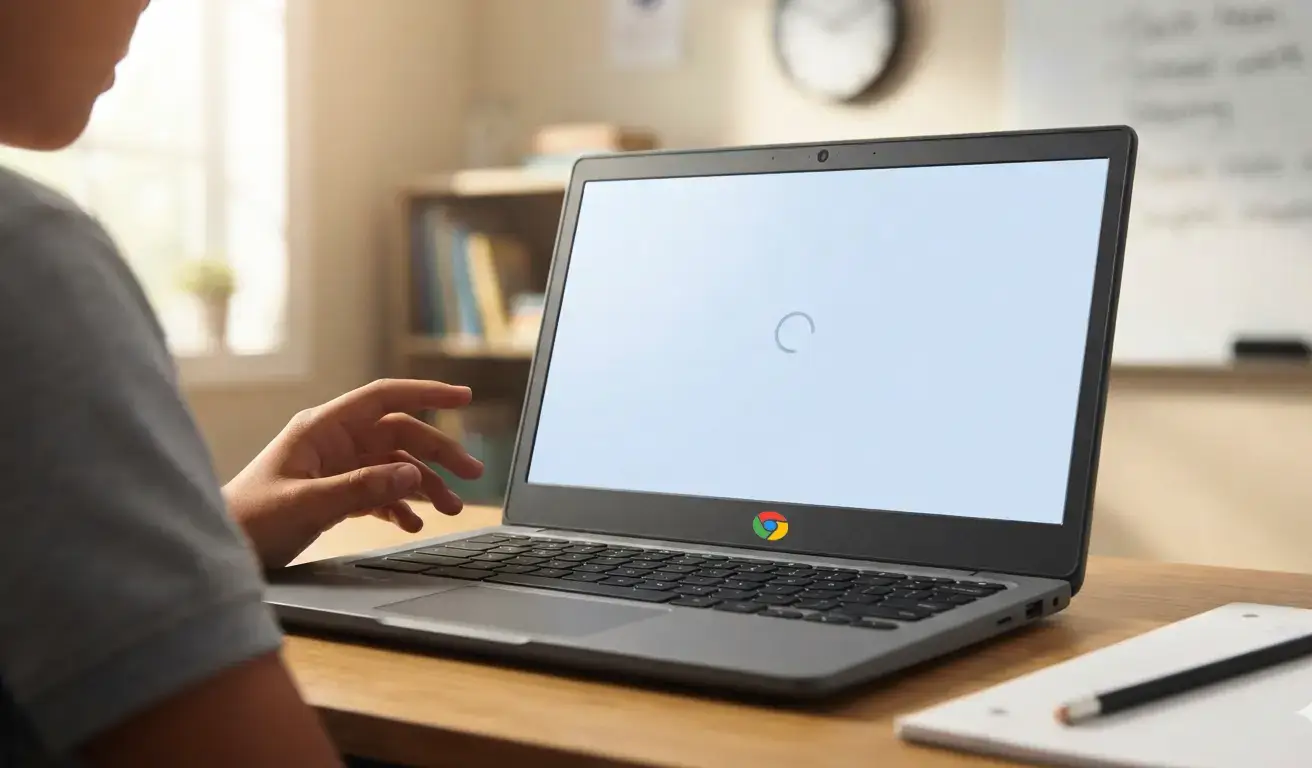
Every minute a device is down is a lost opportunity for instruction. A broken or misconfigured Chromebook forces teachers to pause lessons, reshuffle assignments, or lose valuable testing time. Over the course of a school year, these disruptions can add up to hundreds of hours of lost instructional time.
By partnering with an MSP, schools gain structured processes to ensure Chromebooks stay classroom-ready.
Zero-Touch Enrollment (ZTE): Ready from Day One
Imagine a shipment of 200 Chromebooks arriving at your school. Without automation, IT staff or teachers may spend days setting up accounts, installing updates, and assigning devices.
With Zero-Touch Enrollment (ZTE), Chromebooks are automatically enrolled into the school’s domain and configured with the right apps and policies. This ensures:
- Immediate readiness: Students can log in and start learning the same day.
- Security compliance: Devices are locked into the school’s policies.
- OU organization: Chromebooks are assigned to the right organizational units (by grade, class, or site) for easier reporting.
External Resource: Google Workspace for Education – Zero-Touch Enrollment
Repair & Replacement Loops that Protect Instruction
No matter how well devices are set up, repairs will always be part of the lifecycle.
What matters is how fast schools can get devices back into students’ hands.
A managed approach includes:
- Inventory tracking: Always know where devices are and their repair history.
- Streamlined repairs: MSPs partner with manufacturers (Dell, Lenovo, HP) to shorten turnaround times.
- Spare pools: Keeping backup devices reduces classroom disruption.
Related Read: Get More From Your Educational Technology
Reducing Total Cost of Ownership (TCO)
Without lifecycle planning, schools often overspend by replacing devices prematurely or buying without considering repair economics. An MSP helps schools weigh:
- When to repair vs. replace.
- How to extend the life of Chromebooks with preventative maintenance.
- How to use data-driven reporting to forecast device budgets.
Ultimately, this approach helps schools save money while protecting learning time.
The Student Success Connection
When students have reliable devices, they can focus on learning instead of waiting. Teachers can deliver lessons seamlessly, and administrators can ensure compliance, budgeting, and accountability expectations are met.
That’s the essence of lifecycle management: more uptime = more student success.