


The Uncomfortable Truth About Passwords in Schools
Passwords haven’t really changed in 40 years. But the threats targeting your district have.
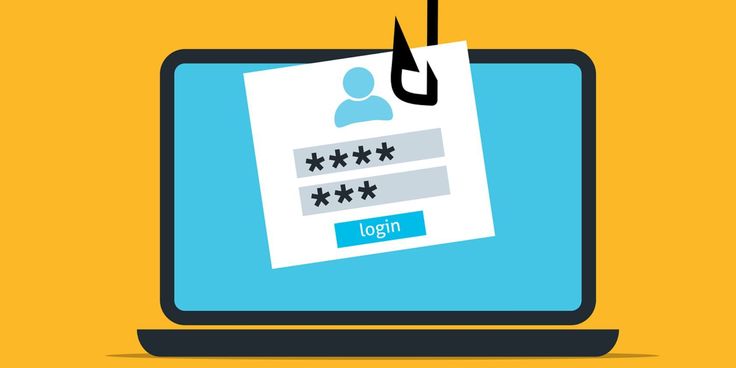
In 2025, the education sector faced an average of 4,356 cyberattacks per school per week – a 41% jump from the previous year (School Business Now). Most of those attacks start the same way: a stolen, guessed, or reused password.
And it’s not just a technology problem. It’s a people problem.
Students share passwords. Staff reuses them. And nobody remembers the one they reset three weeks ago.
The fix isn’t more complex rules. It’s a proper identity and access security framework built for schools, one that removes the burden from users and puts the protection where it belongs: in the system itself.
Why Passwords Are Failing Your School Right Now
Here’s what’s working against you every single day:
- Weak and shared passwords are the #1 attack vector in K-12 schools (School Business Now, 2026)
- 45% of schools reported compromised staff email accounts in 2024–2025 – most through phishing (RAND Corporation)
- 82% of K-12 organizations experienced a cyber incident between mid-2023 and the end of 2024 (Center for Internet Security, 2025)
- The PowerSchool breach alone exposed data from over 60 million students accessed through a stolen credential (GovTech)
- K-12 schools faced 96 confirmed ransomware attacks in 2024, with average ransom demands of $556,000 (The Network Installers)
What these breaches share is a common entry point: a login that wasn’t protected well enough. That’s not a password policy problem — that’s an identity and access management problem.
So What’s the Alternative?
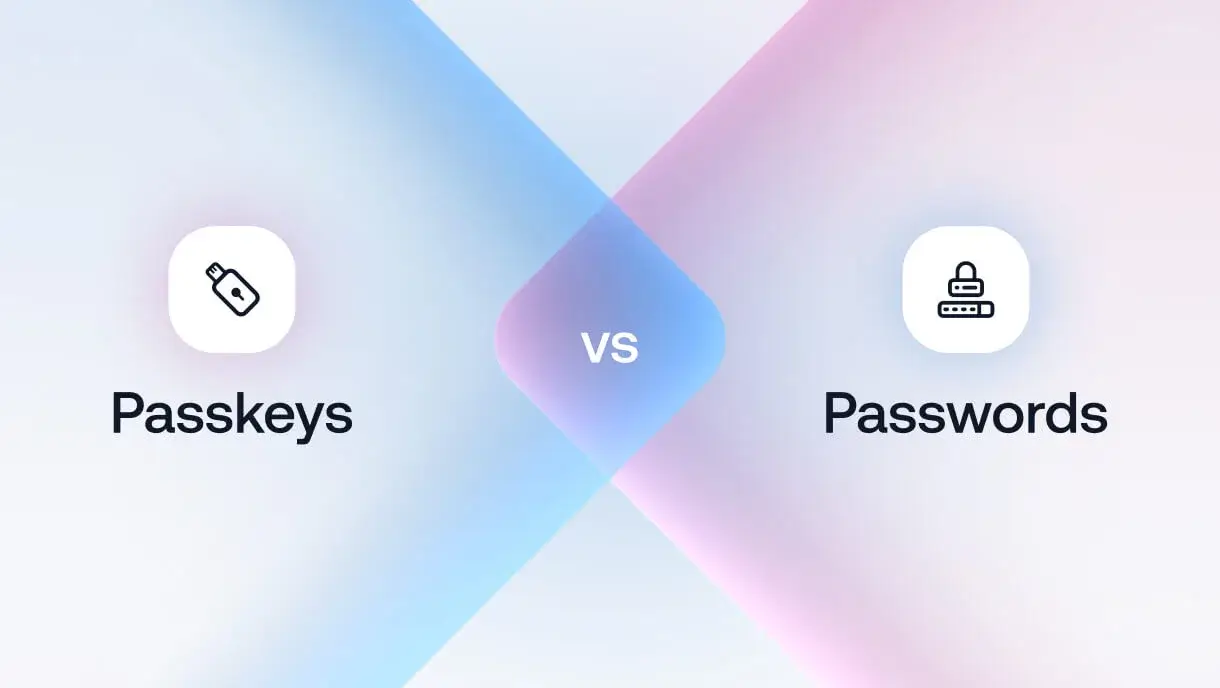
Enter passkeys – and no, you don’t need to be a tech expert to understand them.
Think of a passkey like a digital ID badge that’s unique to each person and each device. Instead of typing a password, a staff member or student simply uses their fingerprint, face scan, or screen PIN to log in. No password to steal. No password to forget. No phishing email that tricks someone into giving it away.
Here’s why that matters for your district:

What Does This Mean for Superintendents and Principals?
You don’t need to mandate passkeys across your entire district tomorrow. But here’s what forward-thinking school leaders are already doing:
- Auditing where passwords are still the only protection — especially for student information systems, email, and finance platforms
- Requiring Multi-Factor Authentication (MFA) as a minimum for all staff accounts — even where passkeys aren’t yet available
- Talking to their IT directors about piloting passkeys for staff logins on high-risk platforms
- Reviewing what happened in their district when a staff member’s email was compromised — and asking whether a passkey would have stopped it
The U.S. Department of Education and CISA both recommend phishing-resistant authentication as a baseline for schools handling student data.
What IT Directors Should Know
If you’re managing authentication across a district, the landscape is shifting fast:
- NIST SP 800-63B (2024 revision) no longer recommends forced password resets, as they weaken security, not strengthen it
- FIDO2/WebAuthn, the standard behind passkeys, is already supported by Google Workspace, Microsoft 365, and most modern browsers
- MFA alone isn’t enough if it’s SMS-based. SMS codes can be intercepted; passkeys and hardware keys cannot
- 75% of global consumers are now aware of passkeys, meaning staff and older students can adopt them with minimal training
The Bottom Line for School Leaders
You don’t need to overhaul everything at once. But waiting isn’t a neutral decision; it’s a risk decision.
Every week your district relies on passwords alone, you’re trusting that no staff member clicks the wrong email, no student shares their login, and no hacker gets lucky. That’s a lot to trust.
Passkeys aren’t the future of school security anymore. They’re the present and your district’s path to less risk, fewer breaches, and fewer very expensive phone calls.